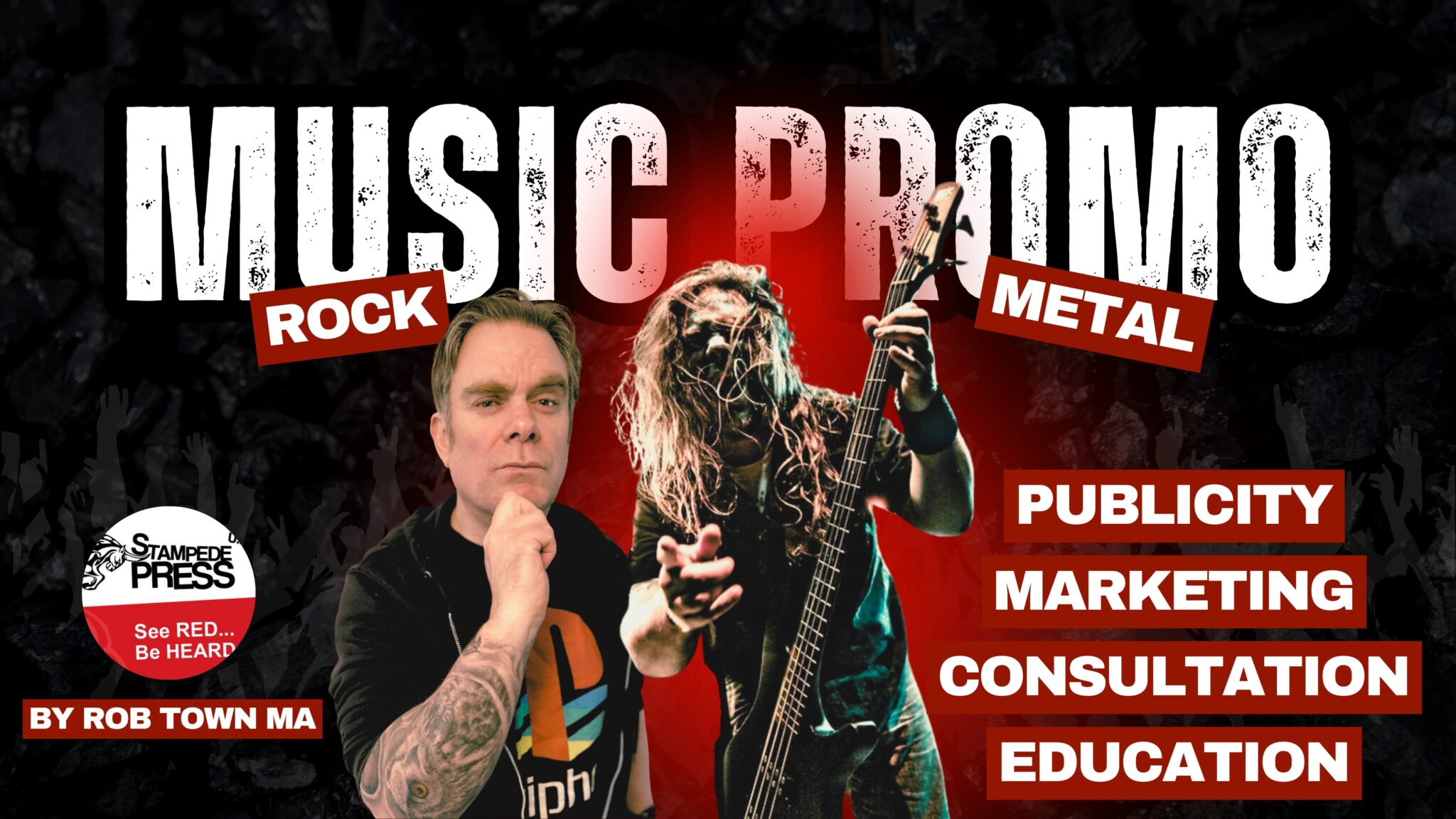
Music PR for Rock & Metal Albums and EPs
You've put the work into the songs. Now you need a release campaign that gives the right journalists, listeners and industry contacts a reason to pay attention.
Here's how to plan an effective EP or album PR campaign, what a music publicist actually does, and how to make your press coverage work harder for your band.
What is music PR — and why does it matter?
Music PR is the work of introducing your release and your story to relevant journalists, magazines, specialist websites, radio shows and other media. Unlike an advert, editorial coverage is decided by the outlet. A publicist can pitch, prepare and follow up, but cannot guarantee a review or feature.
For rock and metal artists, the right coverage can help build credibility with fans and give promoters, bookers and potential partners a clearer picture of the band. The real value comes from combining a strong release story with professional assets, thoughtful targeting and consistent follow-through.
What does a rock and metal music publicist do?
Find the story
Identify what makes the record, band or moment worth covering — beyond announcing that new music exists.
Make the media assets useful
Bring together a clear biography, release information, artwork, music, photography, video and easy contact details.
Target the right journalists
Approach suitable print titles, specialist webzines, reviewers, radio shows and editorial contacts with relevant pitches.
Manage the campaign
Coordinate review opportunities, interviews, features, deadlines and appropriate follow-ups while keeping the artist informed.
Why a campaign beats a one-off press blast
A generic email blast is easy to ignore. Editors receive a high volume of pitches, so relevance, lead time and professional follow-up matter. Rather than asking every outlet to cover the same announcement on the same day, build a sequence around the release.
Plan and prepare
Confirm the release date, assess the story, finish the key assets and identify realistic media opportunities.
Pitch and coordinate
Run a phased campaign around singles and the album or EP, with suitable follow-up and changing angles.
Use the coverage
Share approved quotes, update your EPK, nurture new listeners and continue promoting the record.
These are planning guidelines, not fixed lead times or promises of coverage. Campaign length depends on the release and objectives.
A five-phase PR plan for your next album or EP
Build the foundations
Agree the story and campaign goals. Prepare the final music, release details, press photographs, artwork and an accessible Electronic Press Kit (EPK) that gives journalists everything in one place.
Introduce the first release angle
Where appropriate, pitch singles, videos or premieres to outlets with an audience that fits the music. Coordinate the band's socials and email list so coverage has somewhere useful to send listeners.
Develop review opportunities
Target specialist reviewers and relevant webzines as well as suitable larger publications. Supply clear release links and enough time for editors to listen. Not every outlet will respond, and that's normal.
Pitch interviews and deeper features
Look for a distinctive story beyond the record itself: the band's development, creative process, live activity or an interesting connection with the scene. Pitch the angle to the right person, rather than relying on a generic biography.
Turn attention into lasting relationships
Use relevant press mentions in your website, EPK, newsletter and live pitches. Direct interested listeners towards your music, mailing list, merch or shows. Measure what you can, without assuming every review creates sales.
Rock and metal artists featured in Stampede's PR work
Stampede Press has worked on campaigns associated with artists including Häxan, South of Salem, King Kraken and Luna Marble. The original article highlights press activity across rock and metal print and online publications, including titles such as Metal Hammer, Classic Rock, Powerplay and Fireworks.
Häxan
Debut-album PR activity for the hard rock band.
South of Salem
Debut-album PR activity in the hard rock scene.
King Kraken
Debut-album PR activity for the heavy metal band.
Luna Marble
Debut-album PR activity for the blues-influenced rock band.
These are examples of artists named in Stampede's original article, not promises of particular publications, coverage volume or commercial results for future clients.
How to turn press coverage into fans, sales and shows
Getting a review or interview is one part of a larger release strategy. The next question is simple: what can an interested listener do after seeing it?
- Give people a destination. Link to the record, a relevant landing page or a useful mailing-list offer rather than sending them to a confusing menu of options.
- Share coverage with context. Explain why a review, interview or premiere matters, and include a clear next step.
- Build your email audience. Encourage genuinely interested listeners to join your list so you can reach them beyond a single social post.
- Support your live pitches. Add selected reviews and interviews to your EPK and materials for promoters.
- Amplify selectively. If appropriate, use carefully targeted Meta advertising to reach or reconnect with relevant audiences.
Connect the parts of your campaign
PR can attract attention. Email marketing helps maintain direct fan relationships, while Meta Ads can support targeted audience growth and offers. They work best when the release plan joins them together.
Explore the Fan Growth & Revenue Sprint →Five common music PR mistakes
- Starting too late. Approaching reviewers days before release leaves little room for editorial schedules.
- Using weak assets. Missing credits, hard-to-access music or poor-quality images create friction.
- Pitching everyone the same message. A relevant, researched approach beats a huge untargeted list.
- Expecting guaranteed coverage. Editorial decisions remain with journalists and publications.
- Ignoring the follow-up. Without a way to capture fan interest, even excellent coverage may have little lasting value.
Music PR FAQs for independent bands
What is music PR?
Music PR is the process of presenting your release and artist story to relevant media and seeking editorial attention through professional outreach, assets and follow-up.
How far ahead should I plan album PR?
Starting three to six months before release gives you time to develop the story, prepare materials and understand editorial lead times. Shorter campaigns may be possible depending on the project.
How long does an EP or album PR campaign last?
An active period of roughly six to twelve weeks is a useful planning range, but the appropriate timing depends on release dates, media opportunities and the agreed scope.
Is paying for music PR worth it?
It can be worthwhile if you have a strong release, suitable budget, realistic expectations and a plan for using the attention earned. A good publicist cannot guarantee coverage, plays or sales.
Can PR help sell merch or concert tickets?
Press can contribute to awareness and credibility, but sales depend on audience fit, your offers, the buying experience and follow-up. Connect coverage to clear fan journeys rather than assuming direct returns.
What should I prepare before speaking with a publicist?
Bring your music, expected release date, band biography, photos, links, existing audience information, budget range and the results you want to pursue.