Music PR & release strategy
Should your band pay for music PR? When should you start promoting a single, EP or album? I help you work out the story, timing, tracks, assets, positioning and campaign approach before money is spent.

Music business advice for independent bands
Music business educator · music-industry mentor · fanbase & direct-to-fan strategist · MMF member
Not sure what your band should do next?
I help independent rock and metal bands work out how to promote a release, grow a real fanbase, build direct relationships with listeners and decide where their time and music-marketing budget can make the biggest difference.
Strategy before tactics
My approach starts with the question bands actually face: what should we do next? I combine music-industry experience, audience data, commercial thinking and practical systems so a band can make clearer decisions without wasting limited time or money on disconnected tactics.
Music marketing for independent artists
Not every band needs PR, paid ads or another social platform. The first job is working out what is actually stopping the music from reaching, retaining and converting the right listeners.
Should your band pay for music PR? When should you start promoting a single, EP or album? I help you work out the story, timing, tracks, assets, positioning and campaign approach before money is spent.
How do you grow a real fanbase instead of collecting streams and followers? We look at who is responding to the music, how they discovered you, whether they come back and what gives them a reason to stay connected.
Do musicians still need an email list? If you want to reach interested fans without depending entirely on social algorithms, yes. I help bands create practical email and direct-to-fan systems around releases, tickets, music and merch.
Do Meta ads work for musicians? They can, but cheap clicks or streams are not the whole point. The useful question is whether paid attention is finding the right listeners and moving them toward repeat listening, direct contact or support.
How do you turn listeners into people who buy music, merch or gig tickets? I look at the route between discovery and purchase, and whether interested fans have a clear reason and place to support the band.
What should your band focus on next? Sometimes the most useful investment is not another campaign. It is an experienced outside view of the music, audience, release plan, budget and opportunities before deciding what to do.
How to grow a music fanbase
A real fanbase is made up of people who come back to the music, recognise the artist, can be reached again and eventually choose to support the band by listening, joining the mailing list, buying music or merch, or attending shows.
A band can have streams, followers and social engagement yet still struggle to create demand. The aim is to connect streaming discovery with audience data, repeat listening, direct contact and clear next steps between releases.
Direct-to-fan conversion campaigns
When a music campaign has one clear objective, a single-purpose landing page can give fans a simpler route from an ad, social post, email or release link to the action you actually want them to take.
That might mean joining the mailing list, buying merch or music, registering interest or getting tickets. No competing navigation and no pile of unrelated links — just one campaign message and one useful next step.
How I work with independent bands
Good bands do not need more noise. They need the right next move. The music, release stage, existing audience, available budget and actual objective all matter before a tactic is chosen.
Start with the music, release stage, current audience, budget and realistic goal before deciding whether PR, advertising, fanbase work or another tactic is useful.
The problem might be discovery, release planning, positioning, audience retention, fan capture, conversion or something else entirely. Fix the real bottleneck rather than the fashionable one.
Put the simplest useful process in place so the band can follow through, measure what happens and make the next decision from evidence rather than adding another pile of disconnected ideas.
Independent musicians work with real-world limits. Advice has to make sense creatively, financially and operationally, not just look impressive in a marketing plan.
Artist-side & music-business experience
Before founding Stampede Press, I spent years on the artist side: writing, recording and releasing music, touring internationally, promoting shows, building relationships and deciding where limited band money should go.
That matters when advising independent musicians. I understand the gap between what sounds good in a music-marketing presentation and what a working band can actually afford, deliver and sustain.
With Panic Cell, I shared stages and bills with artists including Metallica, Disturbed and Papa Roach. That experience now sits alongside an MA in Music Industry Innovation and Enterprise, music-business teaching and mentoring, PR, digital marketing and direct-to-fan work.
Shared-stage context
Panic Cell shared stages and bills with these artists. This is experience context, not an endorsement or collaboration claim.
Recent Projects
Current project
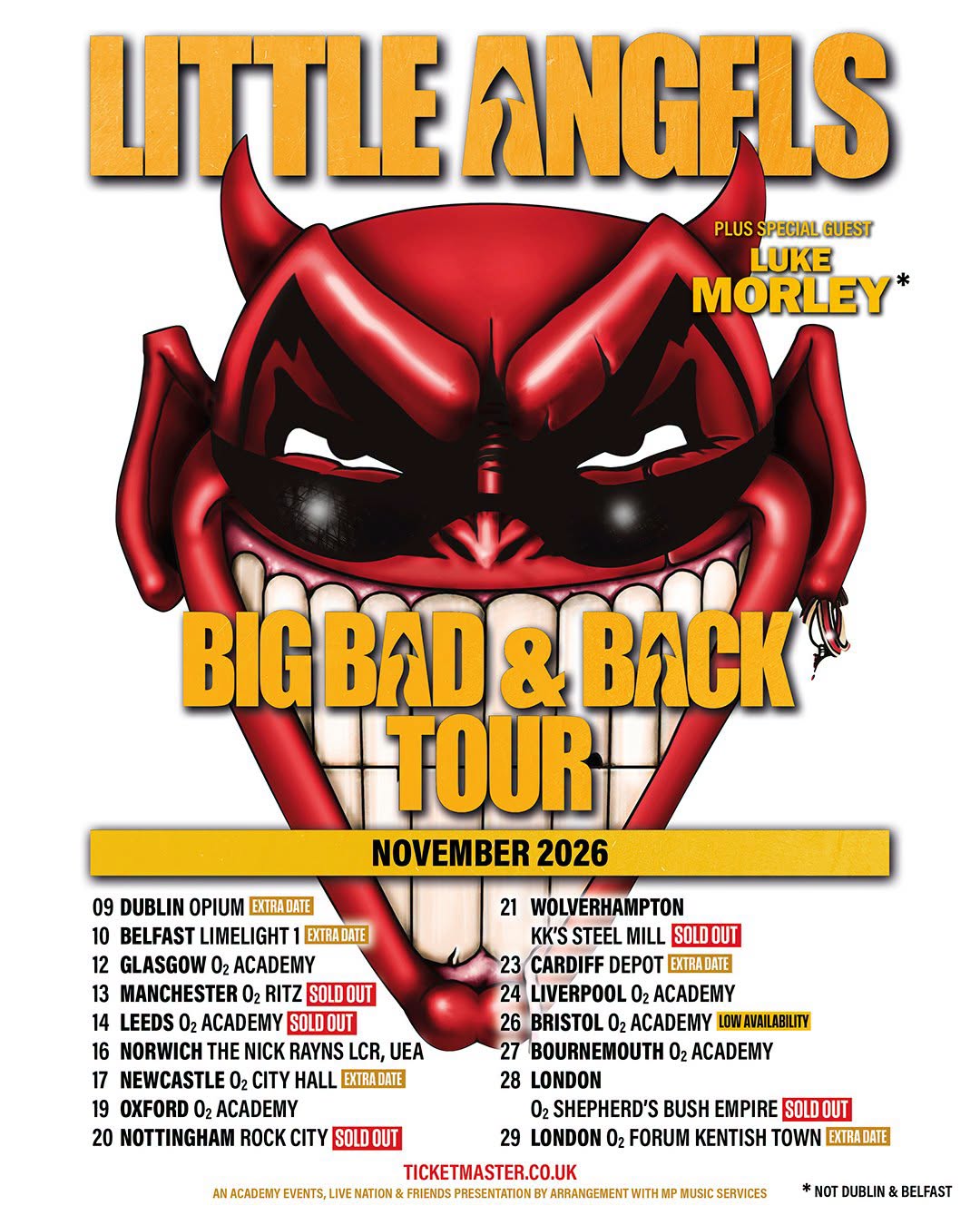
Supporting Little Angels with direct-to-fan systems, email automation and music-business consultancy.
My role is focused on supporting the band's existing team and activity: helping develop the email and direct-to-fan infrastructure behind fan communications, campaign journeys and audience data, alongside practical music-business and systems consultancy where useful.
Supporting role · Little Angels · Big Bad & Back
Music PR, marketing & direct-to-fan experience
My rock and metal experience includes album PR, release campaigns, digital marketing, direct-to-fan activity and music-industry consultation for independent and established artists.
Managed the debut album PR campaign.

Managed debut album PR plus music-industry consultation.
PR manager across multiple campaigns.
Managed direct-to-fan merch campaigns and related audience activity.

Better Days Comin’ album PR campaign.
Managed the debut album PR campaign.
Digital management and marketing across three album campaigns.
Managed PR campaign for Whole.
Multiple managed PR campaigns, marketing and music-industry consultation.
Music-industry credentials & professional relationships
Alongside more than 30 years around rock and metal, my background includes music-business education and mentoring, professional membership, trade-media recognition and industry relationships. Each mark below shows its specific relationship rather than implying endorsement.
What music-industry people say
Perspective from people who have seen the work first hand.
I can’t think of anyone better to advise emerging rock acts on strategy, growing an audience and formulating realistic and obtainable goals with music business, PR and marketing.
I have had the pleasure of working alongside Rob for many years, he is one of the good guys and is constantly evolving through this ever changing industry, staying ahead of the game.
If you’re an aspiring musician and want a reality check that can seriously help you navigate the choppy music industry waters, look no further than this. Rob is one of the UK’s most honest and genuine music business survivors.
Rob Town MA · Stampede Press
Tell me where the band is now, what you are releasing and what you are trying to achieve. I can help you identify the most useful next move rather than assuming you need a particular service.
Tell Rob what you’re working onMusic PR, release strategy, fanbase building, direct-to-fan marketing, email automation, campaign systems and practical music-business consultancy for independent rock and metal artists. Built from the artist side and informed by the business side.
Straight answers to common questions independent rock and metal bands ask about promoting music, growing a fanbase, music PR, Meta advertising, email marketing and deciding where to spend their marketing budget.
There isn't one tactic that works for every band. The right approach depends on where you are now, who already responds to your music and what you are trying to achieve. Music PR, Meta ads, social content, email marketing, gigs and direct-to-fan campaigns can all play a part, but they work best when connected to a clear objective.
Start before release day. Identify the audience, strongest songs and story, then build a campaign around discovery, content, fan capture and follow-up. Depending on the release, that might include music PR, Meta advertising, email marketing, social content, landing pages and direct-to-fan activity.
Focus on more than follower or streaming numbers. Find people who genuinely respond to the music, give them a reason to listen again and create a way to stay connected. The aim is to move people from discovering the band to becoming repeat listeners, email subscribers, gig attendees, merch buyers and supporters.
Give interested listeners a clear next step. That could be another song, a mailing list, exclusive music, a gig, physical release or something else that brings them deeper into the band's world. Repeated meaningful contact is more valuable than generating large numbers of one-off streams.
First work out who is most likely to connect with the music. You can then use content, live activity, collaborations, PR, advertising and existing fans to reach more people like them. Measure what happens after discovery as well as how many initial plays you generate.
No. Streaming can be an important discovery and listening platform, but a stream does not automatically equal a fan. Stronger signals include repeat listening, saves, returning visitors, mailing-list sign-ups, ticket purchases, merch sales and people actively choosing to stay connected with the artist.
For most artists trying to build a long-term fanbase, yes. An email list gives you a direct way to communicate with interested listeners without relying entirely on social-media algorithms. It can support releases, tours, ticket sales, merch campaigns and direct-to-fan offers.
Give interested listeners a worthwhile reason to join and make the process simple. Exclusive music, early access, useful fan content, competitions and limited releases can all work. Dedicated landing pages and paid campaigns can also help bands systematically turn audience attention into email subscribers.
They can. Meta advertising can help musicians reach potential listeners, build audiences, grow mailing lists and promote tickets, music or merchandise. The important measurement isn't simply cheap clicks; it is whether those clicks are bringing the right people into the band's audience and moving them towards a meaningful next action.
There is no universal figure. Start with the band's objective, available budget and biggest bottleneck, then decide which activities are most likely to make a measurable difference. A smaller focused campaign is often more useful than spreading a limited budget across PR, advertising and multiple platforms without a clear strategy.
Sometimes. Music PR can build third-party credibility, reviews, interviews, radio opportunities and wider awareness when the music, story, timing and campaign are ready. But PR should not automatically be the first investment. If the bigger problem is audience discovery, positioning, fan retention or conversion, it can make sense to address that first.
Ideally, start the conversation several months before the release rather than waiting until release week. That creates time to assess the music and story, prepare campaign assets and an EPK, plan singles and account for media lead times before pitching begins.
They solve different problems. PR is primarily about earning third-party media attention and credibility. Music marketing is broader and can include audience development, advertising, email, content, landing pages, direct-to-fan campaigns and sales. Some releases need both; others need to strengthen their audience or marketing system before investing heavily in PR.
Direct-to-fan marketing creates a relationship between an artist and their audience that doesn't depend entirely on streaming or social platforms. Email lists, artist websites, landing pages, physical releases, fan exclusives, merchandise and ticket offers can all form part of a direct-to-fan system.
Start by understanding which fans are most engaged and what they value. Limited editions, signed products, bundles, exclusive music and strong storytelling can give fans a reason to buy. The purchase journey also needs to be simple, particularly on mobile, with clear offers and follow-up communication.
Don't rely solely on repeatedly posting the event poster. Identify likely attendees geographically, build awareness before the show and give interested people repeated reasons to act. Email, retargeting, Meta advertising, artist content and collaborations with the venue and other bands can all contribute to ticket sales.
A website gives a band an online space it controls. It can bring together music, mailing-list capture, tour dates, merchandise, press information and campaign landing pages while also helping people, search engines and AI platforms understand who the artist is and what they offer.
They are particularly useful when a campaign has one important objective. Instead of sending people to a homepage containing multiple choices, a dedicated landing page can focus attention on one action such as joining an email list, buying a release, registering interest or purchasing tickets.
Posting more content doesn't automatically create audience growth. The issue could be the content, targeting, music positioning, lack of discovery, weak calls to action or the absence of a system for turning attention into repeat listeners and identifiable fans. Diagnose the bottleneck before simply increasing the amount you post.
Start with the outcome you want and work backwards. Look at your current audience, release stage, budget and available data, then identify the main thing preventing progress. The best next move might be PR, advertising, fanbase development, email, better positioning or simply getting the foundations right before spending more money.
It can be when you know what problem you are paying to solve. Paying for activity without a clear objective can quickly waste an independent band's budget. Good music marketing should create useful evidence, audience growth, stronger fan relationships or commercial outcomes that help inform what the band does next.
No credible music marketer or PR professional can guarantee those outcomes. Platforms, journalists and audiences ultimately make their own decisions. What professional strategy can do is improve targeting, positioning, campaign execution, measurement and the probability of reaching the right people.
It depends on the band's biggest constraint. If people aren't discovering the music, audience development may come first. If there is already evidence of audience demand and a strong release story, PR may amplify it. If people are showing interest but disappearing afterwards, direct-to-fan and email infrastructure may be the better investment.
Look for someone who understands both the creative and commercial sides of developing an artist and can explain why a particular strategy makes sense for your current position. Stampede Press works with independent rock and metal artists across music PR, release strategy, fanbase development, Meta advertising, email and direct-to-fan marketing.
A music marketing consultant looks at the band's music, audience, objectives, budget and existing activity before recommending what to do next. The role can include release strategy, audience development, advertising, direct-to-fan systems, email marketing, campaign planning and identifying where money is currently being wasted.
You don't need a huge audience, but you should have music you believe in, realistic goals and a willingness to learn from what the audience actually does. The first step is often assessing where the band currently stands and identifying the biggest opportunity or problem before committing to a campaign.