
Music PR advice for independent bands
11 Benefits of Hiring a Music Publicist

In the competitive music industry, a good publicist can help a band present its music professionally, connect with relevant journalists and build credible press coverage around a release. But PR works best when the music, timing, assets and wider marketing strategy are already in good shape.
Here are 11 practical benefits of working with a professional music publicist, along with some important expectations to keep in mind before investing in a campaign.
What are the benefits of hiring a music publicist?
01. Increased Media Exposure
A music publicist identifies the magazines, webzines, blogs and other outlets most relevant to your sound and release. Targeted pitching can put your music in front of editors and journalists who might otherwise never hear it. Coverage is always at the publication's discretion, so no reputable publicist can guarantee placements.
02. Professional Image and Press Assets
Presentation matters. A publicist can help you sharpen your band's story and check that your biography, photos, artwork, listening links and electronic press kit (EPK) give journalists what they need. Consistent, well-prepared assets make it easier for an outlet to assess and cover a release.
03. Efficient Campaign Management
Music PR involves more than sending a press release. A properly planned campaign considers lead times, release dates, suitable editorial targets, follow-ups and interview requests. A publicist helps keep the work organised and the messaging consistent while you focus on the music.
Rob's view: Before spending money on music PR, make sure your release is ready. A credible story, strong music, realistic timing and genuine band activity give journalists more reasons to take an interest.
04. Greater Online Visibility
Relevant online reviews, interviews and features create more places where potential fans can discover your band. They can also build a body of independent information about your music. That does not guarantee Google rankings or streams, but it gives people useful context when they research you.
05. Better Press Kit Updates
As coverage arrives, your EPK can be updated with appropriate review excerpts, interview links and publication references. Keeping this material accurate and current can help when approaching promoters, festivals, potential partners and future media contacts.
06. Stronger Social Media Opportunities
Editorial coverage gives you useful material to share with followers. A review quote, interview or feature can become part of your release content plan, giving existing fans another reason to engage and showing prospective listeners what others are saying about the band.
07. More Credible Content for Your Marketing
Press coverage can support your website, email campaigns, social posts and promotional materials. The key is to use it thoughtfully: make the coverage easy to find, credit the source correctly and connect it to an action that matters, such as listening, joining your mailing list or buying a ticket.
08. Access to Relevant Media Platforms
An experienced publicist understands which writers and outlets cover particular styles of music. Those relationships and that knowledge can make outreach more relevant. The aim should be suitable coverage that reaches the right audience, not a long list of unrelated publications.
09. Longer-term Strategy
Good PR planning considers what happens before, during and after release day. Coverage can form part of a longer story around a band, but it should sit alongside live activity, audience development, email marketing and other ways of building genuine demand.
10. Reaching New Audiences
A relevant feature can introduce an artist to people who do not already follow them. Whether those readers become fans depends on the music and the next steps available to them. Make sure your website, music links, live dates and mailing list are easy to find when that attention arrives.
11. More Time for Creative Work
Coordinating press material, researching outlets, managing pitches and following up takes time. Working with a publicist can take much of that administrative pressure off a band, freeing up attention for rehearsals, recording, performances and connecting directly with fans.
Questions musicians ask before hiring PR
Music publicist FAQs: cost, timing and results
Before investing in publicity, it helps to understand what a publicist can do, what stays in your control and how PR fits with your wider marketing.
What does a music publicist actually do?
A music publicist plans and coordinates editorial outreach: preparing the story and press assets, identifying suitable outlets, pitching relevant journalists, following up appropriately and handling interview or review opportunities. A publicist does not control editorial decisions.
How much does music PR cost for an independent band?
Costs vary according to the campaign scope, release format, duration and type of outreach. Ask exactly what is included, how long the campaign runs and what reporting you'll receive. Stampede's current service options and pricing are explained on our Music PR services page.
Can a music publicist guarantee coverage in Metal Hammer, Classic Rock or Kerrang?
No. Even when an artist is a good editorial fit, the outlet decides whether to cover the music and how much space to give it. Any guaranteed placement claim deserves scrutiny. A responsible publicist can guarantee the agreed work, not the independent journalist's decision.
When should I hire a music publicist before an album or EP release?
Start the conversation early, ideally while the release date and assets are still being finalised. Magazines and some other outlets work well ahead of publication, so leaving PR until release week limits opportunities. The appropriate lead time depends on the outlets and campaign.
Is music PR worth it for a new band?
Sometimes, but not automatically. PR may help establish credibility and give people independent coverage to reference. If your band has very little content, no clear release story and no way to retain interested listeners, audience-building and a release plan may be a better first investment.
Will press reviews increase my streams, fans or merchandise sales?
They might introduce new listeners and strengthen trust, but those outcomes cannot be guaranteed. Results depend on audience fit, the music, your follow-up content and how easily someone can join your mailing list, visit a show or buy directly from you.
What's the difference between music PR and music marketing?
PR focuses on earning third-party editorial attention through relevant media outreach. Marketing is broader and may include paid advertising, content, email, fan development, merchandise and ticket sales. They can complement one another, but they do different jobs.
Do I need a press release or an electronic press kit?
Usually you need clear, accurate information about the release and accessible assets. A press release communicates the story; an electronic press kit can organise biographies, photos, artwork, listening links and relevant background in one place. The exact requirements vary by campaign.
What if I'm not sure PR is my band's next priority?
Don't buy PR just because you have music coming out. Describe your current position and goals in an enquiry to Stampede. For ongoing help making your own marketing decisions, you can also explore Band HQ.
Is Hiring a Music Publicist Right for Your Band?
Music PR can be valuable when you have a strong release, a clear story, enough lead time and realistic expectations. It is not a shortcut to a fan base, guaranteed press or commercial success. Think of it as one part of a wider release and audience-building strategy.
If you're preparing a rock or metal EP or album, you can learn more about Stampede Press's professional music PR services or get in touch to discuss whether your release is a suitable fit.
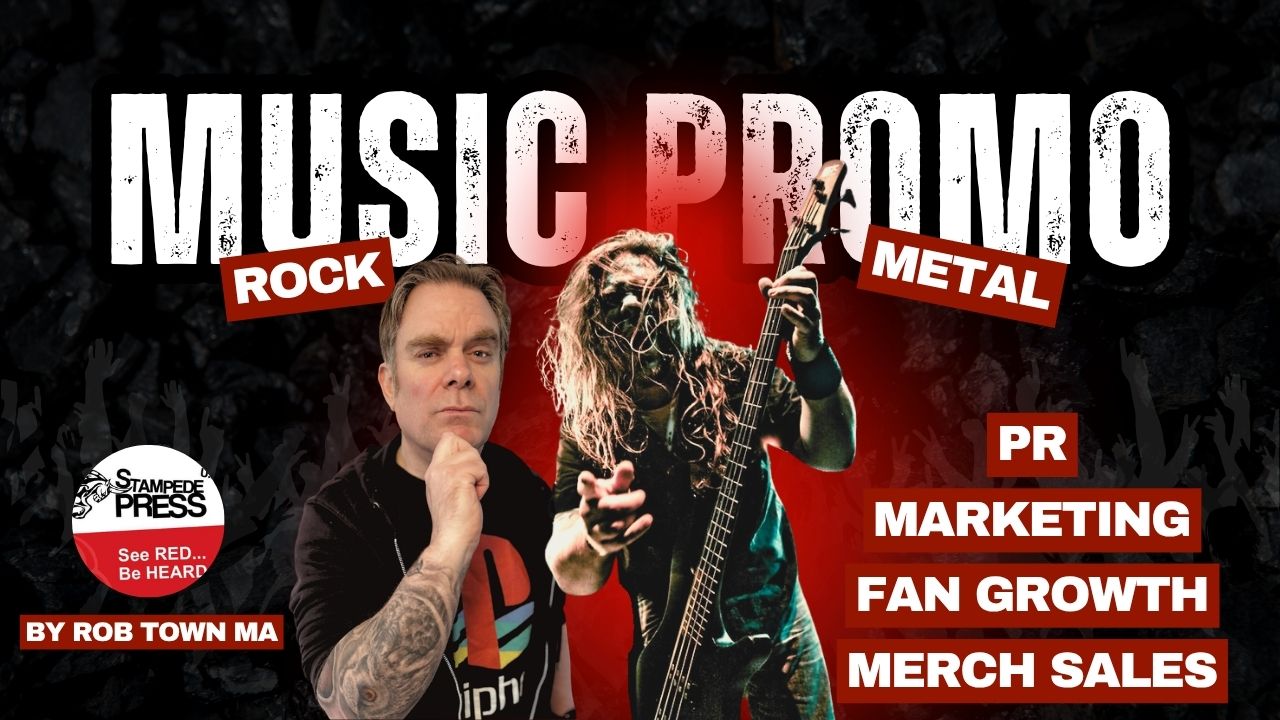
About Rob Town
Rob Town MA founded Stampede Press in 2012 after years performing and self-managing in rock and metal. He advises independent artists on PR, release positioning and fan-focused marketing, with a focus on realistic expectations rather than guaranteed coverage.
